Start with the work in front of you
An artist statement is a short piece of writing that helps a reader enter a body of work. It does not need to explain every possible interpretation or provide a complete autobiography. Its most useful starting point is often the simplest: what can a viewer actually see, and what decisions made that encounter possible? Put several works beside you before drafting. Describe their materials, recurring forms, scale, and relationships without trying to sound impressive.
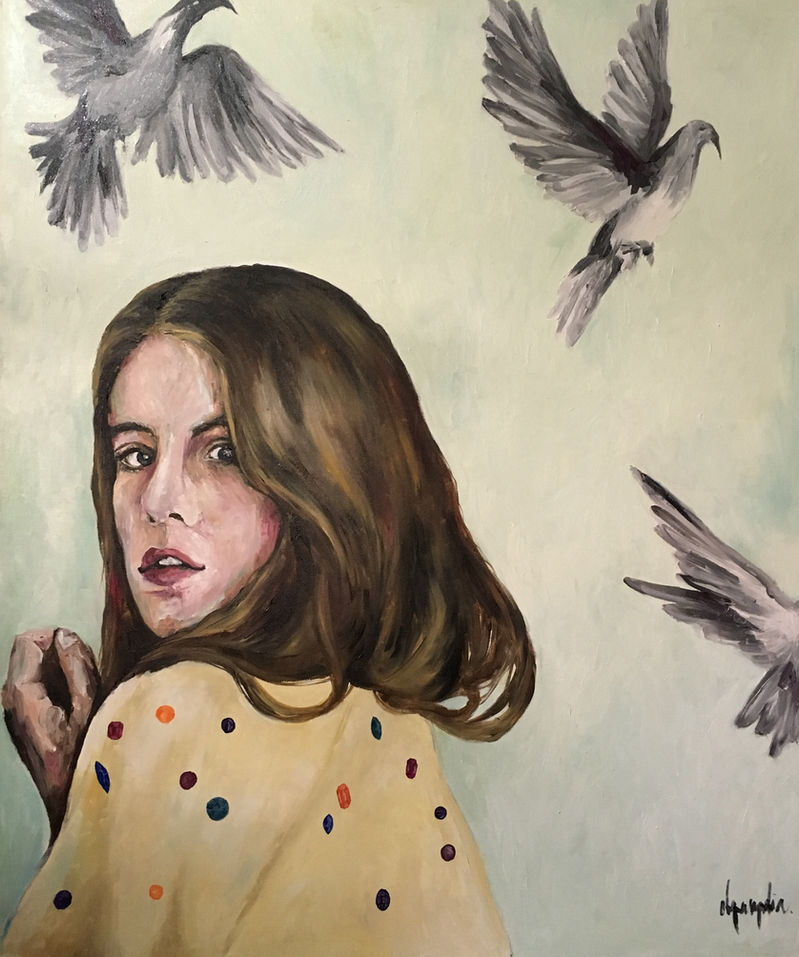
This inventory gives language something solid to attach to. A sentence about repeated birds in painted portraits is more informative than a broad declaration about exploring the human condition. The larger question may still matter, but the reader needs a route toward it. Begin with the particular, then explain why it holds your attention. You can write with ambition while keeping the evidence visible and the language welcoming.
Separate a statement from a biography
A biography tells readers about an artist's background and selected professional history. A statement addresses the work's concerns, decisions, and methods. The two can overlap, especially when a personal experience directly shapes a project, but they serve different purposes. A list of exhibitions will not explain why a series uses translucent layers, and a discussion of those layers will not establish when an exhibition happened.
Keep a separate document for factual records such as education, places, dates, and exhibition titles. Check those details against reliable records before publishing them. In the statement, include biographical information only where it changes how someone understands the work. This distinction is particularly helpful for an archive, where an older biography may be historically valuable without accurately describing an artist's present circumstances. Label the period instead of silently making the past sound current.
Name the questions rather than promising answers
Art can remain uncertain while the writing about it stays clear. You might be interested in how an animal changes the emotional atmosphere of a portrait, or how a repeated decorative pattern moves between comfort and unease. Those are useful questions because they describe an investigation. They do not require a claim that the work has solved identity, memory, nature, or another enormous subject.
Try completing the sentence, "In this group of works, I keep returning to..." Then make the answer specific enough that another artist could disagree with it or approach it differently. If the same sentence could describe almost any exhibition, revise it. Precision does not close interpretation. It gives readers a starting position from which they can notice the choices that are distinctive in this particular body of work.
Connect materials to decisions
A list of materials becomes interesting when it explains a relationship. Perhaps a drawing remains visible beneath paint because you want the image to retain the feeling of a provisional thought. Perhaps a dense surface interrupts an otherwise delicate outline. Describe the connection only if it is true of the work. Do not retrofit a grand explanation onto every practical choice simply because the statement seems to demand one.
Use one or two examples to show how a process operates. Explain what changes when you repeat a motif, leave an area unfinished, or move from paper to a different support. Readers do not need a complete studio recipe. They need enough information to connect the physical object with the questions you are asking. A modest, accurate description is more persuasive than an inflated claim about a material having an inevitable symbolic meaning.
Write a first draft in ordinary language
Imagine speaking to someone who is interested in art but unfamiliar with your practice. What would you point out first? What would you want them to spend longer looking at? Write those observations as sentences, then arrange them into a sequence: the central concern, how it appears in the work, and why you continue to investigate it. Leave terminology in only when it adds a necessary distinction.
Read the draft aloud. Long sentences often reveal their difficulties when spoken, especially when several abstract nouns accumulate without an image or action between them. Replace phrases such as "the interrogation of visual narratives" with an account of what you actually change, combine, conceal, repeat, or observe. Ordinary verbs can carry complex ideas. They also make it easier to hear whether the statement sounds like a person describing a practice they know well.
Make versions for different situations
A website introduction, an exhibition handout, and an application may require different lengths. Build those versions from the same accurate core instead of inventing a new artistic identity for each context. A brief version can identify the central question and a material relationship. A longer version can add an example, explain a shift between series, or describe the boundaries of a particular project.
Respect the requested format when someone provides one. If there is no requirement, prioritize a coherent piece of writing over filling an arbitrary amount of space. Keep a dated master version and record which project it describes. An earlier statement may remain appropriate beside an earlier collection even after the practice changes. Preserving that distinction makes a portfolio more informative and prevents a new paragraph from flattening years of different artistic interests.
Ask for useful feedback
Give a draft and a small selection of images to a trusted reader. Ask what they now notice in the work, which sentence feels least concrete, and whether anything in the statement appears unsupported by the images. These questions produce more actionable feedback than asking whether the writing sounds professional. You are testing the relationship between language and objects, not inviting someone to replace your voice with their preferred vocabulary.
Consider feedback carefully without accepting every suggestion. A reader may want a certainty that the work deliberately avoids, or may misunderstand a term that requires a brief explanation. Revise where the writing creates accidental confusion. Keep the uncertainties that belong to the project itself. If the statement includes a claim about another artist, a historical event, or a technical process, verify it separately rather than relying on how convincing the sentence sounds.
Keep the statement accountable to the practice
Before publishing, compare the final text with the selected works one more time. Remove promises about future projects unless the context explicitly calls for a proposal. Check that the tense is consistent and that descriptions of current activity are actually current. Avoid presenting editorial commentary written by someone else as a first-person statement from the artist. Clear authorship matters as much as elegant phrasing.
Return to the statement when the work changes substantially, rather than adjusting it every time a fashionable phrase appears. Save previous versions with their dates and associated collections. A useful statement can be direct, thoughtful, and incomplete in the best sense: it opens a conversation that the artwork continues. Its success lies in helping someone look more attentively, not in replacing the experience of looking with an explanation that claims the final word.
Illustration: Secretos from the original art archive. This editorial guide is not presented as a new statement by the artist.