Opening photographs · 1 / 5
Art openings
The work in shared space: exhibition photographs, gatherings, and moments from the historical opening gallery.

01Exhibition photograph 01
From the historical art openings gallery
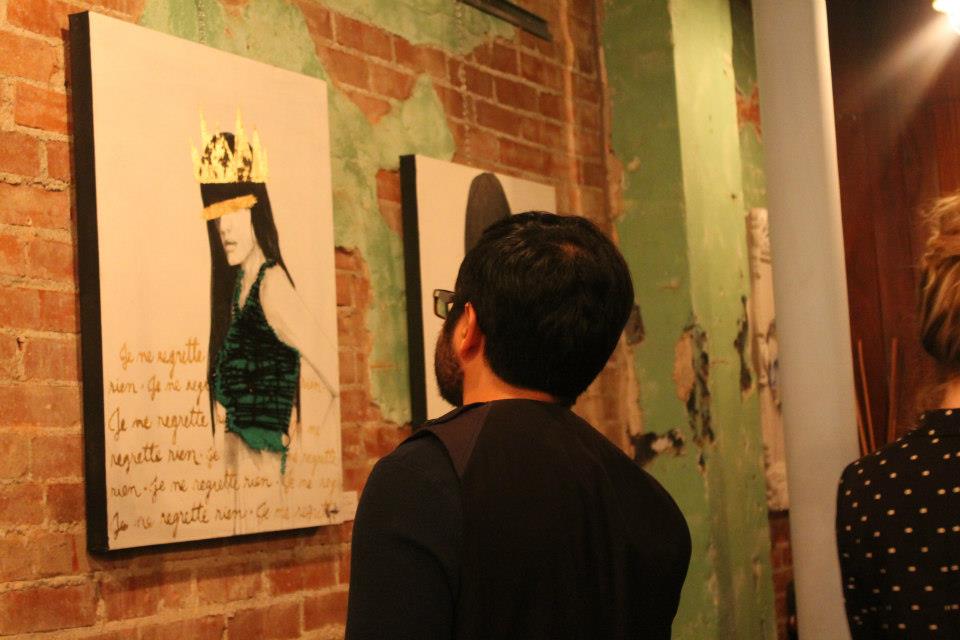
02Exhibition photograph 02
From the historical art openings gallery
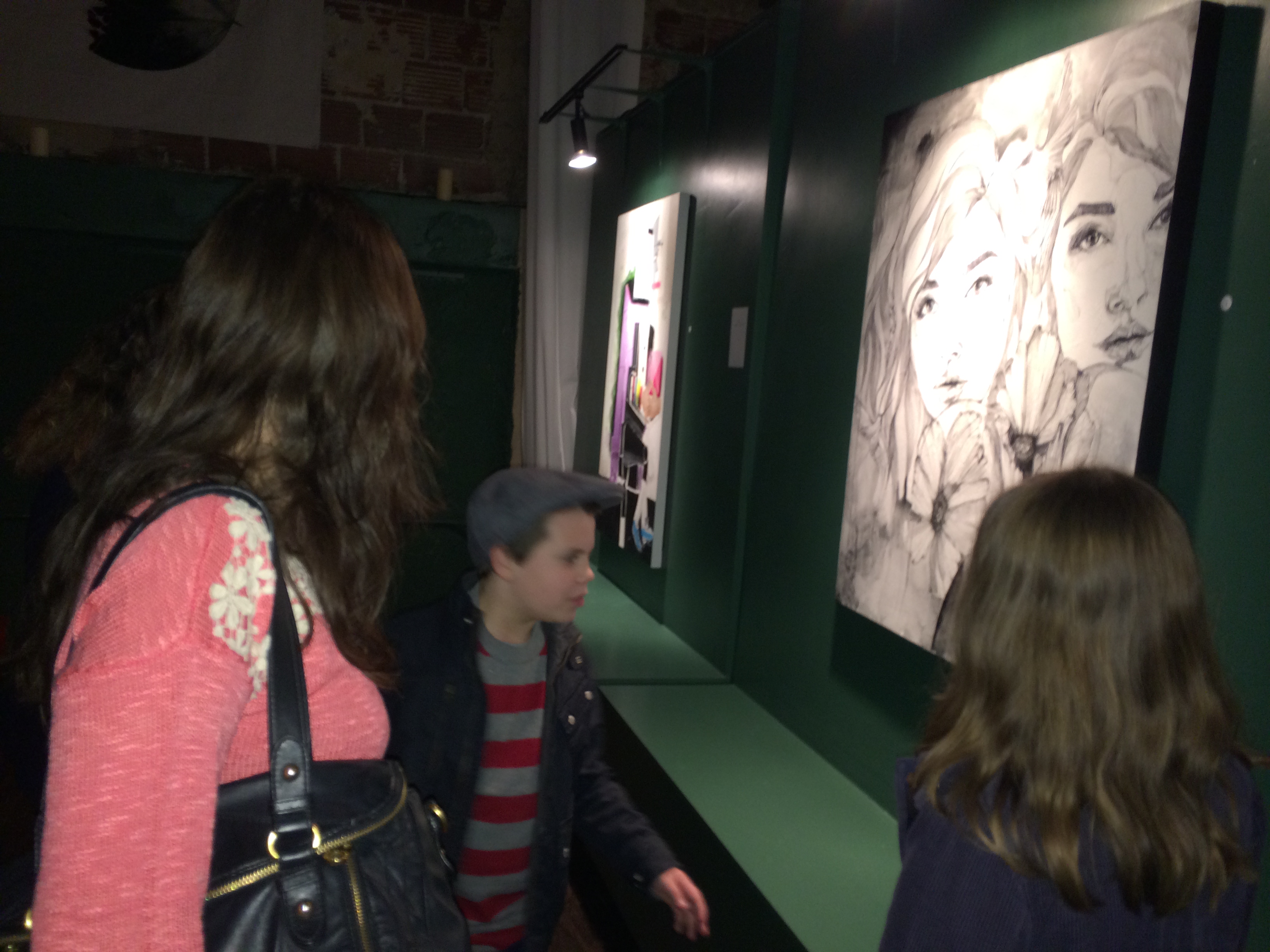
03Exhibition photograph 03
From the historical art openings gallery
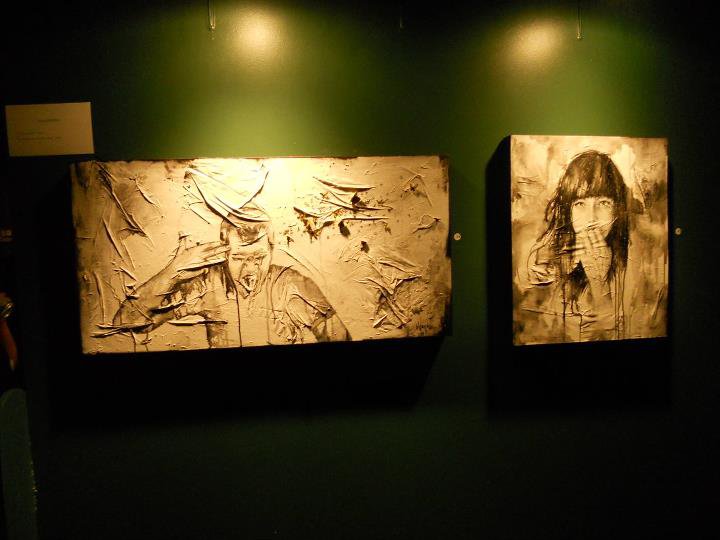
04Exhibition photograph 04
From the historical art openings gallery
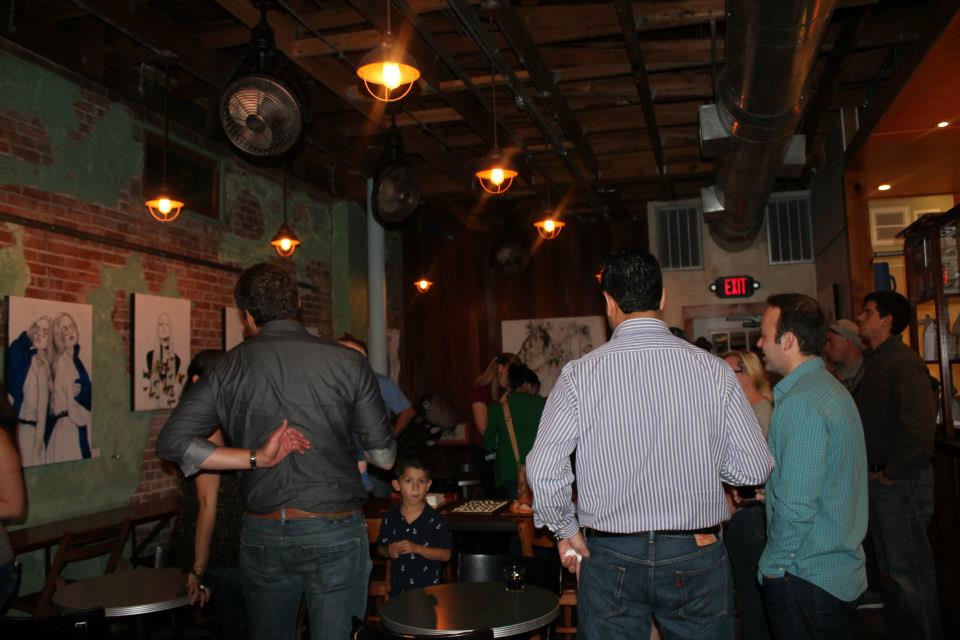
05Exhibition photograph 05
From the historical art openings gallery

06Exhibition photograph 06
From the historical art openings gallery

07Exhibition photograph 07
From the historical art openings gallery
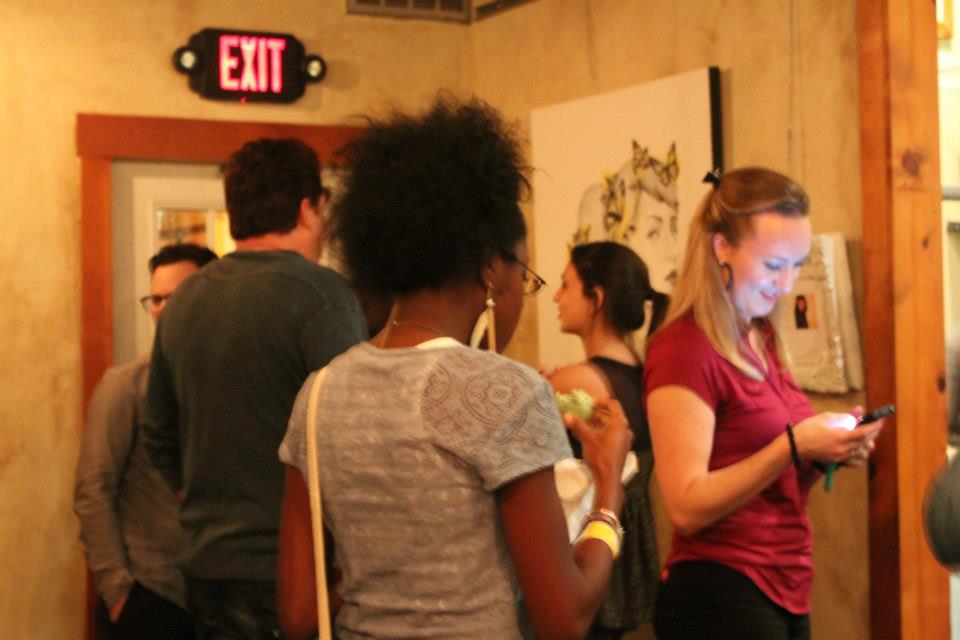
08Exhibition photograph 08
From the historical art openings gallery

09Exhibition photograph 09
From the historical art openings gallery
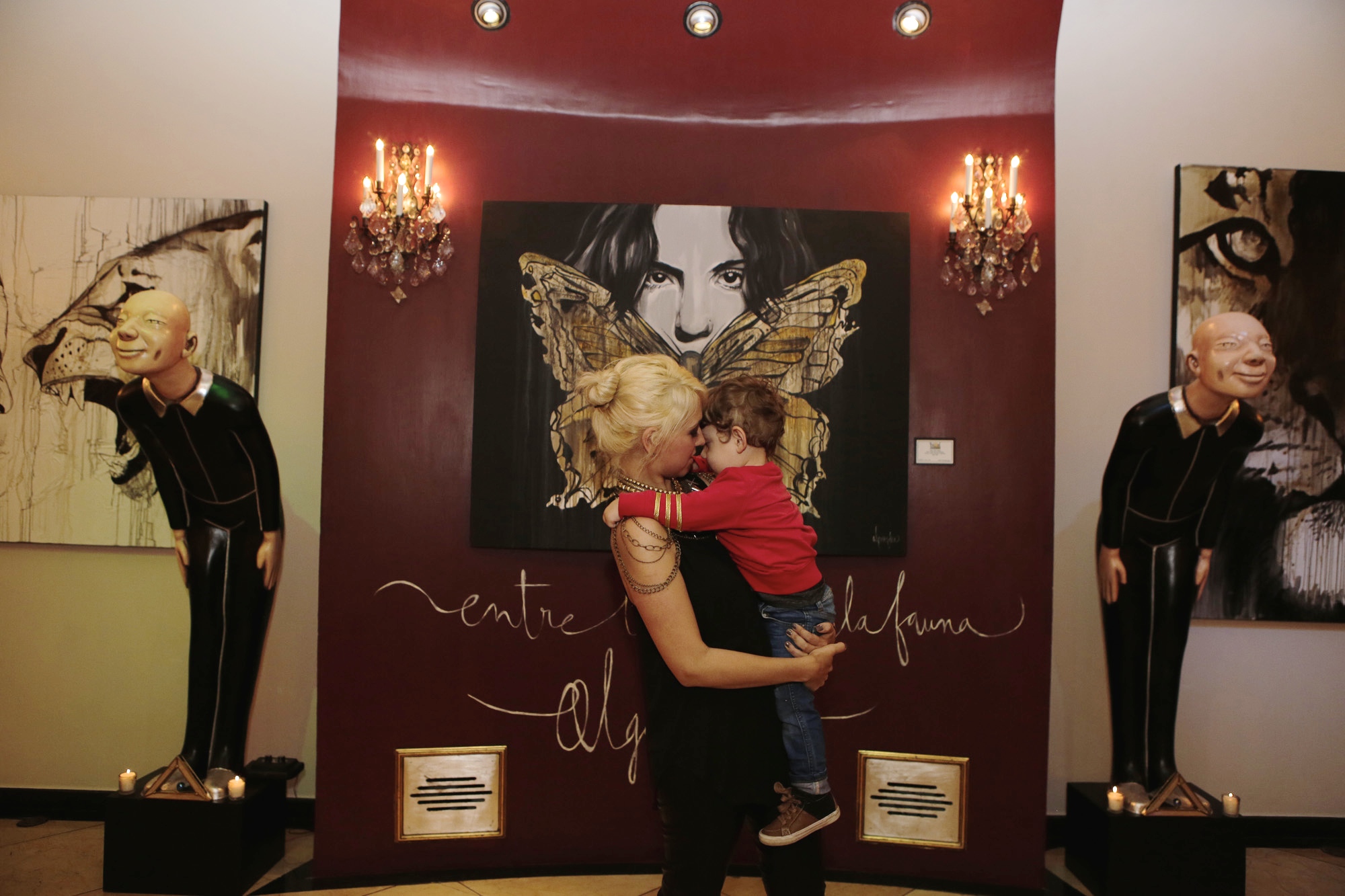
10Exhibition photograph 10
From the historical art openings gallery

11Exhibition photograph 11
From the historical art openings gallery

12Exhibition photograph 12
From the historical art openings gallery

13Exhibition photograph 13
From the historical art openings gallery

14Exhibition photograph 14
From the historical art openings gallery

15Exhibition photograph 15
From the historical art openings gallery

16Exhibition photograph 16
From the historical art openings gallery

17Exhibition photograph 17
From the historical art openings gallery

18Exhibition photograph 18
From the historical art openings gallery
Companion reading · editorial guidePlanning a Small Exhibition Around the Work
This guide offers a broader context for this archive page. It is new editorial writing, separate from the artist’s historical statements. You can also read the dedicated article.
Define the exhibition's purpose
A small exhibition benefits from a clear purpose before it acquires a floor plan. Decide whether the presentation introduces a new body of work, brings several periods into conversation, or explores a specific question through a limited selection. Each choice implies a different structure. A retrospective may need dates and context, while a focused project may depend more on the relationship between a few objects.
Write a short working description that names the audience, central idea, and available space. Treat this as a practical guide rather than promotional copy. It should help you decide what belongs and what can remain outside the exhibition. If every possible work fits equally well, the purpose may still be too broad. A strong exhibition does not have to represent everything an artist has ever made; it needs to make its own selection understandable.
Understand the room before selecting a layout
Measure the usable wall areas and note doors, windows, fixed furniture, lighting positions, and circulation routes. Photographs are helpful, but they can disguise distances and awkward corners. A simple plan with reliable measurements gives decisions a common reference. Discuss installation limitations with the venue, including what can be attached to walls and who is responsible for handling, hardware, and any necessary specialist work.
Consider how visitors enter, pause, turn, and leave. A work that looks effective in a straight-on photograph may be difficult to see beside a busy doorway. Keep circulation comfortable, and do not place text where reading it forces someone to obstruct an essential route. Accessibility should be part of the initial conversation with the venue, including local requirements and the needs of visitors using mobility aids, rather than a decorative addition at the end.
Select works through relationships
Create a provisional inventory with images, titles, dimensions, materials, condition notes, and practical requirements. Then look for relationships that support the exhibition's purpose. Two works may connect through color, gesture, subject, or a change in method. They may also need separation because their similarity makes one difficult to notice. The selection should create a sequence of encounters rather than a wall filled to its maximum capacity.
Try a few alternatives using printed thumbnails or a digital arrangement at a consistent scale. Include the surrounding space in those experiments. A small drawing can become important through placement and breathing room, while a large painting can lose its presence when crowded by competing labels and objects. Keep a reserve list in case a work becomes unavailable. Substitutions are easier when you know which relationship a particular piece contributes to the whole.
Build a rhythm instead of a rigid formula
An exhibition can invite attention through variation. A dense group may be followed by a quieter interval, or an introductory work may establish a question that later pieces complicate. Avoid assuming that every wall needs the same number of objects. The visual weight of a painting depends on more than its dimensions; contrast, subject, framing, and position all affect the room's balance.
Walk through the proposed sequence from several starting points. Visitors do not always follow the route imagined by a curator, and a good display can remain legible when someone enters the conversation halfway through. Use section headings sparingly where they clarify a real transition. If the order is essential to understanding the project, explain that gently through the introductory text and placement instead of relying on visitors to discover an invisible rule.
Prepare labels that answer real questions
Most viewers first need a title, artist name, date when recorded, and material information. Additional details should earn their place. A short contextual sentence can help explain an unusual process, but a long paragraph beside every object may compete with the work itself. Verify names, dimensions, punctuation, and dates against the inventory. Where information is missing, say so consistently instead of guessing.
Use readable type, a clear contrast, and a layout that separates the essential facts from interpretation. Test labels at the distance and lighting conditions in which they will be read. A beautiful layout on a laptop can become tiring on a wall. Keep any historical statement distinct from a new curator's explanation, and credit quoted language accurately. The visitor should be able to tell what comes from the artist, the archive, and the exhibition's present editorial framing.
Plan the practical work in advance
Agree who will prepare the room, transport the work, supervise installation, supply approved hanging materials, and check the final arrangement. Make a schedule with enough room for unexpected decisions. Record the condition of objects before movement and after installation so that existing marks are not confused with new changes. For delicate or unfamiliar materials, consult a qualified professional about handling and display instead of improvising a solution on opening day.
Prepare the nonvisual details too: a contact list, an accurate work list, image permissions for publicity, and a clear process for inquiries. If works are offered for sale, the venue and artist should settle the relevant arrangements before visitors arrive. This guide does not supply contractual terms; its practical point is to make responsibilities explicit. Ambiguity creates avoidable pressure at the very moment when attention should be on the exhibition and its audience.
Document both objects and the experience of the room
Photograph the installed exhibition before the opening if possible. Capture wide views that show relationships, medium views of individual walls, and details where they help explain a work. Record the exhibition title, venue, dates, and photographic credit alongside the files. These records become much more useful later when they can be understood without relying on someone's memory of the event.
Opening photographs serve a different purpose. They can document conversation, scale, and the atmosphere of a gathering, but they do not replace clear images of the work. Respect visitors' privacy and any venue policies when making or publishing photographs. Keep the installation record and the social record organized separately, then select each according to its purpose. A portfolio page should help people understand the exhibition even if they never attended the opening.
Review what the exhibition taught you
After the exhibition, compare the initial purpose with the actual experience. Which relationships became clearer in the room? Where did visitors pause, and which labels attracted repeated questions? These observations can improve later presentations without turning every response into a judgment of artistic success. A visitor's unexpected interpretation may reveal a productive opening rather than a problem to correct.
Archive the final inventory, installation photographs, published text, and factual event information together. Mark the exhibition as past on the website when it closes, and distinguish a historical venue relationship from a current affiliation. The most valuable outcome may be a better understanding of how the work behaves in shared space. Careful planning creates that opportunity, while careful documentation allows the exhibition to remain a meaningful part of the practice after the room has changed again.