Begin by understanding the particular object
"Work on paper" describes a broad category rather than a single material. A drawing, a print, a watercolor, and a collage may behave differently because of their supports, media, attachments, and previous history. Before making decisions about display or storage, gather the information already available. Record the artist, title, date, dimensions, and stated materials without turning an uncertain description into a confident technical identification.
Keep the distinction between an artist's description and your own observation. You may see a textured surface or a raised attachment without knowing exactly what it is made from. Write that uncertainty down. A clear record of what is known is more useful than an elaborate but inaccurate label. If the work has unusual, fragile, or mixed materials, seek advice from a qualified conservator before assuming that a general framing or storage approach will be appropriate.
Make a useful record before changing anything
Photograph the work in its current presentation and retain any available label, invoice, exhibition record, or artist's note. Include overall views that show the object and frame, and record visible changes without touching or manipulating the affected area. The purpose is documentation, not diagnosis. A photograph can help a professional understand a question, but it cannot establish every feature of the object's condition.
Create a simple record with a date and a clear file name. Note where the work is kept, when it last moved, and who supplied any relevant information. Avoid separating a beautiful digital image from all the context that makes it identifiable. A collection does not need to be large for this habit to matter. Even a few carefully organized records can prevent confusion between similar works, uncertain titles, and memories of conversations that were never written down.
Choose a place with care
The Library of Congress recommends stable, cool, relatively dry conditions for paper, with limited light exposure and no direct or intense light. It also advises keeping paper away from radiators, vents, and locations vulnerable to water. These are general preservation principles, not a diagnosis of a particular artwork or a substitute for advice about its specific materials.
Walk through the room at different times before choosing a location. Think about daily activities, furniture movement, nearby doors, and the possibility that the space will be used differently later. A visually appealing wall may create practical difficulties that are not obvious in a single photograph. Discuss the intended setting with a competent framer or conservator, particularly when the work is valuable, sensitive, or poorly documented. The right questions are often more useful than selecting a frame on appearance alone.
Treat framing as a professional conversation
Prepare a short description of the work and explain how you intend to display it. Ask the framer to describe the proposed materials and attachment method in terms you can understand, and request a record of the decisions made. If something is already attached, stained, distorted, or loose, identify that before work begins. Do not assume that removing an old presentation is a harmless first step.
The Library of Congress notes the value of suitable acid-free, lignin-free enclosures and cautions that some media require special consideration. It also warns that static from polyester can disturb friable drawing media. Those examples show why a generic product label cannot answer every question. Avoid choosing a material solely because its packaging uses a reassuring word. For an unfamiliar object, the relevant issue is whether the complete proposed system is appropriate to that particular work.
Keep everyday handling deliberate
The Library of Congress advises clean hands, a clean work area, and keeping food and drink away from paper. It also discourages damaging fasteners and adhesives such as pressure-sensitive tape. These general points do not mean that an untrained owner should remove existing attachments or undertake repairs. When an object seems unstable, leave treatment decisions to a qualified paper conservator.
Plan an ordinary move before lifting anything. Know where the object is going and clear the route so that you are not improvising halfway through. Ask for suitable help when the size, weight, or condition makes the move difficult. Keep documentation nearby but separate from the work itself. A little preparation reduces distraction and allows you to notice when a task is beyond what you can confidently and safely manage with the information and equipment available.
Notice change without attempting treatment
If you observe an unfamiliar mark, loose element, alteration in appearance, or change in the frame, record what you see and when you first noticed it. Avoid assigning a cause from appearance alone. Several different conditions can look similar in a photograph, and a well-intended home treatment may make later assessment more difficult. Ask a qualified conservator about the appropriate next step instead of experimenting with cleaning, flattening, or adhesive removal.
Provide the professional with the object's known history and a concise description of the concern. State whether the change followed a move, a room alteration, or another event, but distinguish sequence from proven cause. Keep any written assessment with the collection record. A useful care history includes decisions not to intervene as well as completed treatment, because restraint can be an informed response rather than evidence that a problem was ignored.
Organize the digital side of ownership
Store a clearly named reference image alongside the factual record, and keep a separate copy in a different location. If you create images for sharing, distinguish them from the files intended to document condition or installation. A tightly cropped social image may communicate the composition while omitting the frame, edges, or context that matters for another purpose. Retain the original documentation even when you prepare more attractive versions for presentation.
Review credits and image-use arrangements before publication. A photograph of an artwork can circulate far beyond the context in which it was made, so attach the artist's name, title when known, and an appropriate description. Do not add an invented date or confident material label merely to make a caption look complete. Thoughtful documentation respects both the object and the people who may later rely on the information you have preserved.
Build a routine that fits the collection
Set aside occasional time to review records, confirm locations, and look for changes in the way a space is used. This is different from repeatedly handling or dismantling the work. The aim is to keep information current and recognize when circumstances have shifted enough to justify professional advice. Record a move, a new frame, or an exhibition loan when it happens rather than expecting to reconstruct it years later.
Living with art involves enjoyment as well as responsibility. Clear records and considered decisions make that enjoyment easier because fewer questions depend on guesswork. You do not need to become a conservator to be an attentive owner, but you do need to recognize the limits of general guidance. Preserve the information, ask specific questions, and let the actual materials and condition of the work determine when specialist knowledge is needed.
Further reference
Library of Congress: Care, Handling, and Storage of Works on Paper. General guidance; seek a conservator’s assessment for the particular object.
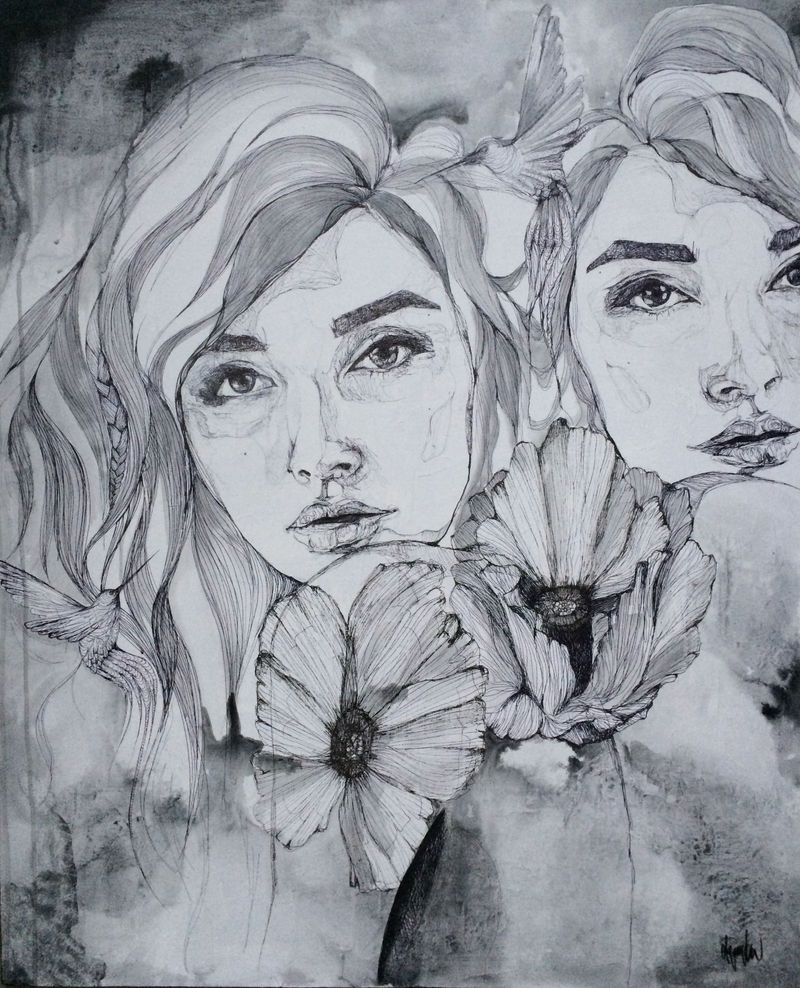
Illustration: black hummingbirds from the original art archive. This editorial guide is not presented as a new statement by the artist.